La Divina Comedia
Español
Apple Books
Esta edición está en otro idioma. Encuentra libros en tu idioma ↗

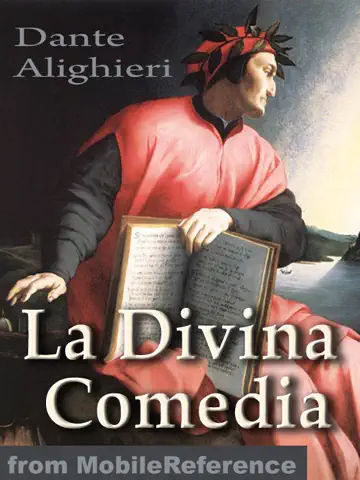
This carefully crafted ebook: “The Divine Comedy: Inferno, Purgatorio, Paradiso (3 Classic Unabridged Translations in one eBook: Cary's + Longfellow's + Norton's Translation + Original Illustrations by Gustave Doré)” is formatted for your eReader with a functional and detailed table of contents. Depending on the translation, The Divine Comedy will present completely different facets to the reader, therefore we have united these 3 Classic Unabridged Translations in one eBook: Cary's + Longfellow's + Norton's Translation + the Original Illustrations by Gustave Doré, in order to present the very best of The Divine Comedy.
This epic poem written by Dante Alighieri between c. 1308 and his death in 1321 is widely considered the preeminent work of Italian literature, and is seen as one of the greatest works of world literature. The Divine Comedy serves as the physical (scientific), political, and spiritual guidebook of Dante's Fourteenth Century universe. The poem's imaginative and allegorical vision of the afterlife is a culmination of the medieval world-view as it had developed in the Western Church. It helped establish the Tuscan dialect, in which it is written, as the standardized Italian language. It is divided into three parts: Inferno, Purgatorio, and Paradiso. On the surface, the poem describes Dante's travels through Hell, Purgatory, and Heaven; but at a deeper level, it represents allegorically the soul's journey towards God. At this deeper level, Dante draws on medieval Christian theology and philosophy, especially Thomistic philosophy and the Summa Theologica of Thomas Aquinas. Consequently, the Divine Comedy has been called "the Summa in verse".
Español
Apple BooksEspañol
Apple BooksEspañol
Apple BooksEspañol
Apple BooksEspañol
Apple BooksEspañol
Apple Books